

(1) What is the EB-2 National Interest Waiver?
An overview of EB-2 NIW eligibility, how it differs from H-1B and PERM, self-petitioning, and priority dates. Clarifies misconceptions about skipping visa queues or buying credentials.
Immigration Video Series
A Chinese-language video series for software engineers, AI researchers, data scientists, and scholars covering NIW strategy, filing timing, evidence, and RFE responses.
H-1B uncertainty, PERM processing, visa queues, and employment changes lead many STEM professionals to explore NIW and plan their priority dates with less reliance on a single sponsoring employer.
NIW is not a shortcut. Salary, a prominent employer, or a popular technical field alone does not establish the national importance of a specific proposed endeavor. A petition needs a coherent account of results, future plans, and supporting evidence.
This Chinese-language series compares industry and academic approaches through the Dhanasar framework, proposed endeavors, national importance, profile building, employer support, and RFE issues.
An overview of EB-2 NIW eligibility, how it differs from H-1B and PERM, self-petitioning, and priority dates. Clarifies misconceptions about skipping visa queues or buying credentials.
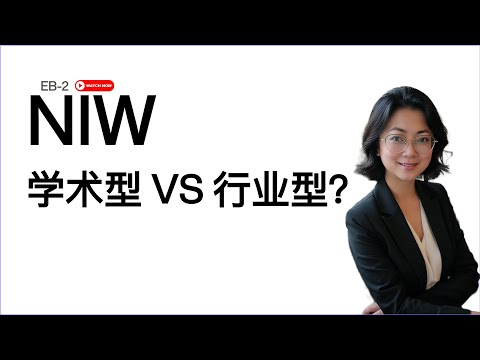
Compares academic and industry evidence for applicants without extensive publications or citations. Explains how engineers, technical leaders, and researchers can align achievements with a proposed endeavor.

Uses an IPO prospectus as an analogy for a NIW petition. Covers advanced-degree or exceptional-ability eligibility, the Dhanasar framework, and the boundary between truthful presentation and fabricated credentials.

Discusses starting an I-140 NIW petition during F-1, OPT, or STEM OPT, priority dates, and planning the relationship between the petition and subsequent status arrangements.

Examines how applicants with limited work experience can assess research, technical results, and project contributions in areas such as AI, clean energy, and biotechnology.

Explains how U.S. employment, offers, employer letters, and project contributions can support an endeavor. Discusses alternative evidence for overseas applicants or those without a U.S. offer.

Discusses employer funding and cooperation, reduced reliance on traditional sponsorship and PERM, and the evidentiary value of executive letters, performance records, and project-impact data.

Explains the risks of changing fields solely to chase perceived NIW trends, and how to connect a consistent professional history with a credible endeavor and national-interest argument.

Examines why similar technical backgrounds may receive different decisions, including endeavor framing, evidence, and adjudication. Discusses identifying and addressing the central issues in an RFE.

Explains how to review a prior denial, refine the proposed endeavor, strengthen objective evidence, and incorporate new achievements when preparing a fresh petition.